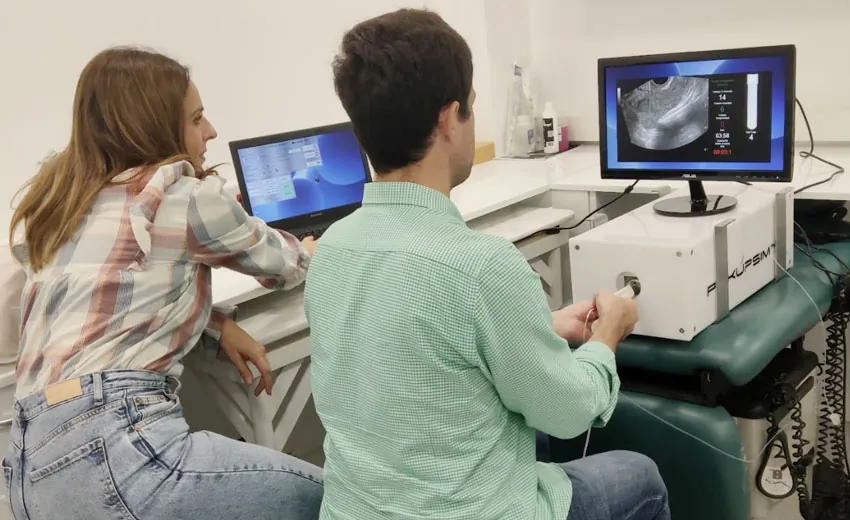
Egg and sperm — fertilisation in assisted reproduction

Master's in Assisted Human Reproduction

Master the classic and emerging techniques of assisted reproduction, combining online training with a week of intensive practice on advanced medical simulators.

University-specific degree accredited by
Scientific endorsement
Credits
60 ECTS
Duration
11 months
Format
Online and in person
Degree
Accredited by UTAMED
Methodology
Hands-on and personalised
Career paths
Employability plan
About the master's

A comprehensive education with a scientific foundation and a forward-looking vision

This programme combines mastery of classic and emerging techniques in reproductive medicine with the latest advances in artificial intelligence, data analysis and process automation, providing a comprehensive and up-to-date view of the specialty.

You will train in simulated clinical scenarios, practising as many times as you need, and work with real reference cases, consolidating technical skills and professional competencies to lead the present and future of assisted reproduction.
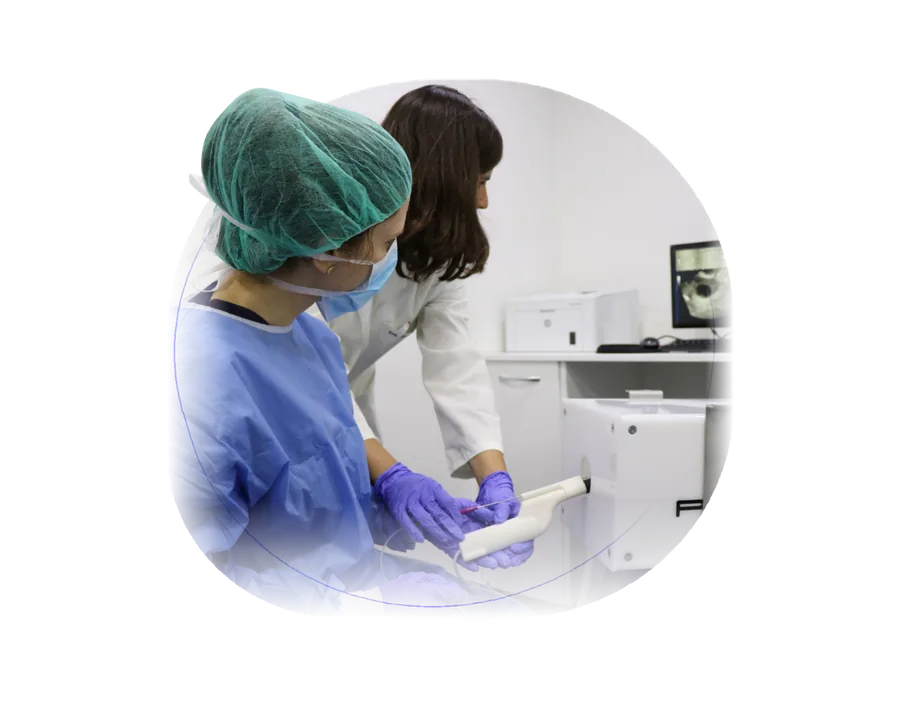
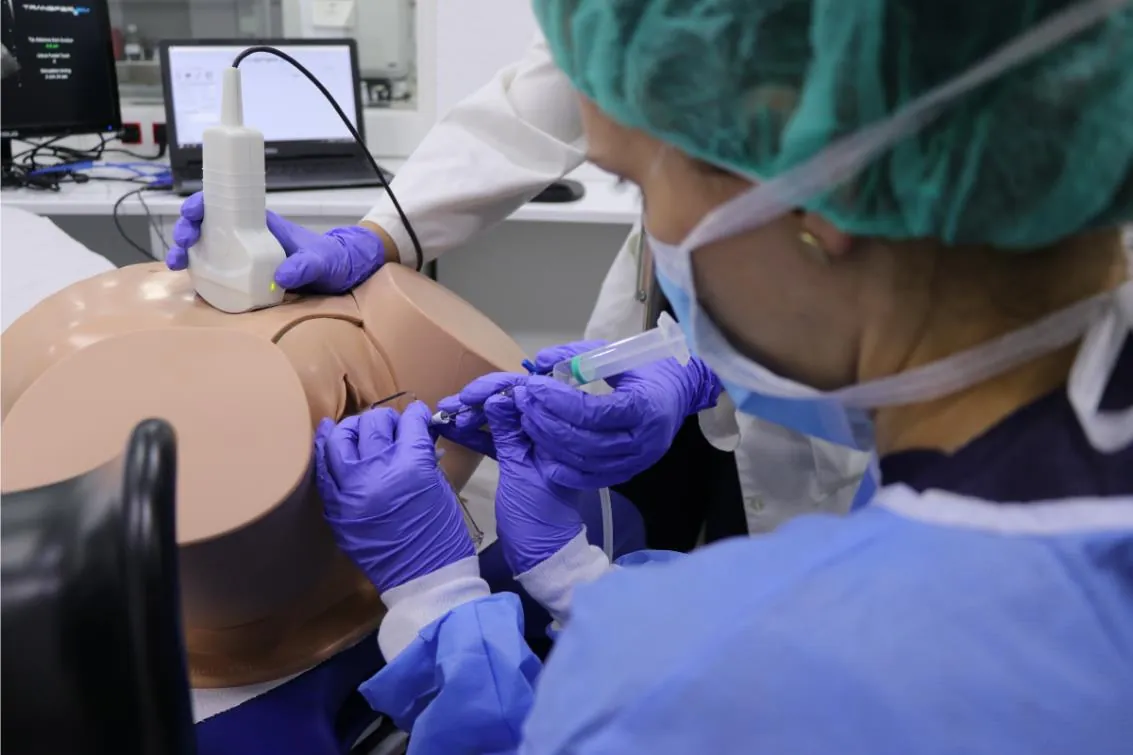
FIRST professionals practising an assisted reproduction technique with an ultrasound scanner
Student profile

Who is it for?

Designed for healthcare and biomedical professionals who want to specialise, update their skills or broaden their career options in assisted reproduction.

Physicians and gynaecologists

With or without a specialty, interested in gaining a comprehensive knowledge of reproductive medicine.

Clinical embryologists

Looking to refine advanced laboratory techniques: ICSI, embryo biopsy, vitrification and more.

Biologists, pharmacists and veterinarians

Working in reproduction and biomedicine who want to go deeper into diagnostics and innovative therapies.

Physicians in training

Residents and general practitioners who want to specialise in assisted reproduction, even without prior experience.

Entry requirement: a university degree in Health Sciences (Medicine, Biology, Pharmacy, Veterinary Medicine, etc.).

Would you rather get the information first?

Leave us your email and we will send you the syllabus, the price and the enrolment conditions. No commitment.

We have received your email!

Someone from our team will get in touch with you to send you all the information about the master's.

Skills

What you will learn

The master's stands out for its hands-on methodology, which lets participants train in simulated clinical scenarios and work with real reference cases. This ensures an education that not only conveys knowledge but also consolidates technical skills and professional competencies, preparing specialists to lead the present and future of assisted reproduction.

Across the different modules, students develop skills in:

Biological and physiological foundations of human reproduction.

Diagnosis and assessment of infertility.

Basic and adjuvant treatments in infertility.

Assisted reproduction laboratory and quality control.

Assisted reproduction techniques, genetics and advanced diagnostics.

Ethics, legislation and management of reproduction clinics.

Technological innovations and the future of assisted reproduction.

Communication skills and the doctor-patient relationship.
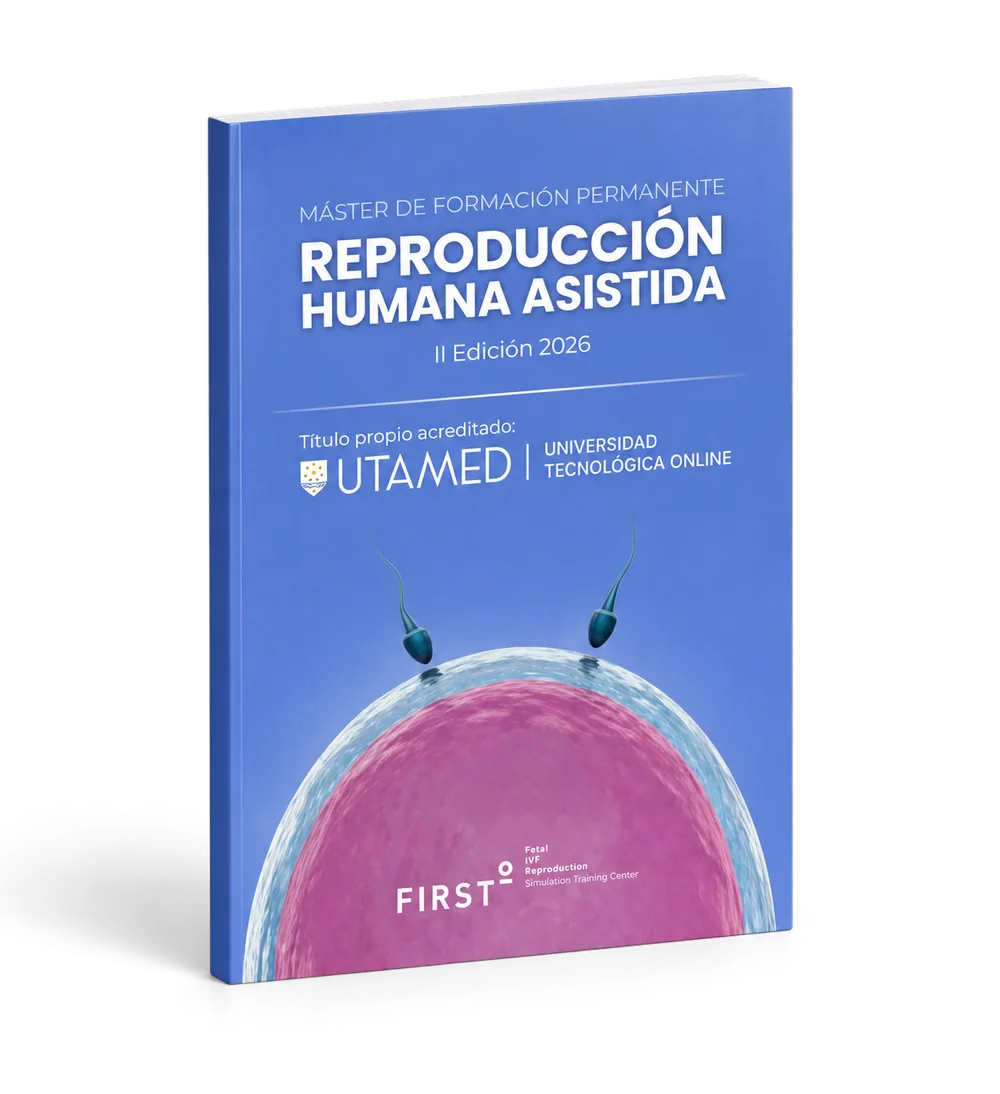
Brochure for the Master's in Assisted Human Reproduction — FIRST Simulation and UTAMED
Curriculum

Syllabus of the Master's in Assisted Human Reproduction

Click on each module to see its content. The full syllabus, with the detail of each topic, is also available in the downloadable brochure.
Module 01

Foundations of human reproduction

9 topics
+
  • The origin of sexual reproduction
  • Embryology, anatomy and physiology of the female reproductive system
  • Embryology, anatomy and physiology of the male reproductive system
  • Hormonal regulation, ovulation and the menstrual cycle
  • Gametogenesis: oogenesis and spermatogenesis
  • The endometrium and its role in implantation
  • Embryo implantation and placental development. Advances in the endometrial microbiome
  • Environmental and epigenetic factors and lifestyle in fertility
  • Impact of ageing on female and male fertility
Module 02

Diagnosis and assessment of infertility

7 topics
+
  • New concepts in fertility. Initial assessment of the infertile couple
  • Study of the oocyte factor
  • Study of the sperm factor
  • Study of the uterine/implantation factor at the local level
  • Study of the uterine/implantation factor. General factors affecting it
  • Imaging techniques in infertility: ultrasound, Doppler, hysterosalpingography, hysteroscopy, laparoscopy
  • Assessment of common pathologies
Module 03

Basic and adjuvant treatments in infertility

8 topics
+
  • Concepts: evidence-based medicine, advanced medicine and experimental medicine
  • Lifestyle modification in infertility: psychological factors, nutrition, acupuncture and integrative medicine
  • Drugs in assisted reproduction: uses and strategies
  • Management of the ovarian factor in sterility. Ovulation induction and ovarian stimulation
  • Ovarian stimulation protocols in IVF
  • Management of the sperm factor in sterility. Semen improvement
  • Management of complications: ovarian hyperstimulation syndrome, prevention and management
  • Nursing in assisted reproduction
Module 04

Assisted reproduction laboratory

Key practice · 9 topics
+
  • Organisation and equipment of the andrology/embryology laboratory
  • Processing and preparation of semen samples
  • Advanced sperm selection techniques
  • In vitro fertilisation (IVF): procedures and variants
  • Natural-cycle IVF
  • ICSI, IMSI and PICSI: advanced sperm selection
  • Time-lapse and artificial intelligence in embryology. Embryo assessment and grading
  • Cryopreservation of gametes, embryos and ovarian tissue
  • Frozen embryo transfer cycles
Module 05

Reproductive medicine techniques and genetic diagnosis

Key practice · 9 topics
+
  • Follicular puncture in IVF: procedure and complications
  • Embryo transfer: strategies and techniques
  • Testicular biopsy and other surgeries in men
  • Frozen embryo transfer
  • Preimplantation genetic diagnosis (PGT-A, PGT-M, PGT-SR). Embryonic mosaicism
  • Emerging therapies: stem cells, mitochondrial transfer and gene editing (CRISPR)
  • Future techniques: in vitro gametogenesis, cloning and gamete bioengineering
  • Genomics, epigenetics and reproduction
  • Fertility preservation in oncology patients and social fertility preservation
Module 06

Artificial insemination and advanced techniques

7 topics
+
  • Artificial insemination with partner and donor semen
  • Egg donation and double donation: clinical and ethical aspects
  • Oocyte vitrification: indications and outcomes
  • In vitro maturation of oocytes (IVM)
  • Opportunities for improvement and selection at each step of assisted reproduction
  • Reproduction laboratory automation
  • Genetic compatibility testing
Module 07

Implantation failure and recurrent miscarriage

5 topics
+
  • Recurrent miscarriage and implantation failure due to the oocyte factor
  • Recurrent miscarriage and implantation failure due to the local uterine factor
  • Recurrent miscarriage and implantation failure due to general factors affecting the uterus
  • Approach to treating recurrent miscarriage
  • Recurrent miscarriage and implantation failure due to the sperm factor
Module 08

Pregnancy and complications in assisted reproduction

8 topics
+
  • Early diagnosis of pregnancy after ART
  • Pregnancy complications after IVF
  • Multiple pregnancy in assisted reproduction: prevention and management
  • Risk of congenital anomalies after ART
  • Pregnancy in women with chronic medical conditions
  • Psychosocial factors in ART pregnancies
  • Monitoring and follow-up of pregnancy after assisted reproduction
  • The relationship between assisted reproduction and perinatal health
Module 09

Ethical and legal aspects of assisted reproduction

8 topics
+
  • Spanish legislation on assisted reproduction
  • International regulation and comparative models
  • Ethical aspects of embryo selection
  • Ethics in research with human embryos
  • Legal implications of gamete and embryo donation
  • Rights and duties of patients and professionals
  • Assisted reproduction in non-traditional family models
  • Social and ethical impact of artificial intelligence on fertility
Module 10

Quality management and control in assisted reproduction

9 topics
+
  • Accreditation and regulations in embryology laboratories
  • Quality control in assisted reproduction laboratories
  • Control KPIs, risks and biosafety in reproduction laboratories
  • Organisation and management of assisted reproduction clinics
  • Cycle scheduling
  • Strategies to improve treatment efficiency
  • Benchmarking and international standards in fertility
  • Digitalisation and automation in reproduction laboratories
  • Equipment management for biomedical staff in reproduction clinics
Module 11

Innovations and the future of assisted reproduction

8 topics
+
  • Transforming healthcare paradigms
  • Applications of artificial intelligence in fertility
  • Impact of the metaverse and telemedicine on assisted reproduction
  • Use of nanomedicine in fertility
  • Assisted reproduction and regenerative medicine
  • Human reproduction in space: studies and projections
  • New AI-native medical records in assisted reproduction
  • The future of assisted reproduction: where are we heading?
Module 12

Communication and the doctor-patient relationship

8 topics
+
  • Communication skills in assisted reproduction
  • Building trust in the doctor-patient relationship. The importance of confidentiality
  • Psychology of the infertile patient and support strategies. Managing expectations
  • Communicating difficult news in infertility
  • Communicating with ART patients on social media
  • The relationship between the doctor and gamete donors
  • Assisted reproduction societies (SEF, ESHRE, ASRM...). Qualifications, protocols and guidelines
  • Marketing and communication in assisted reproduction

Download the full syllabus

Review every module and all the training content in a single document.

Download the syllabus
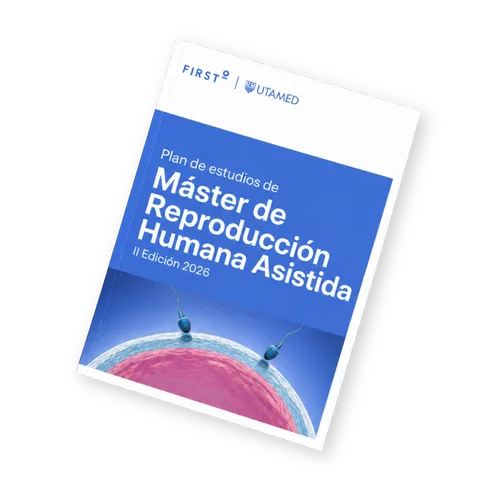
Syllabus of the Master's in Assisted Human Reproduction — FIRST and UTAMED
Hands-on training

A full week of immersion at the FIRST Centre

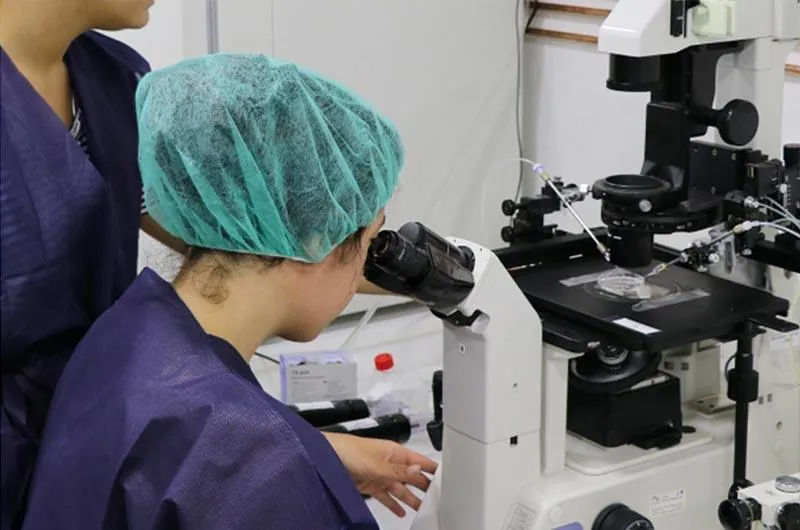
As part of the master's, you will complete a week of in-person practice at the FIRST Clinical and Reproductive Simulation Centre in Seville. It takes place halfway through the course, once you have progressed through the theoretical part.

It is individual: it is not organised in groups or on a fixed date for everyone. Instead, the FIRST centre will contact you to agree together on the week that best fits your availability. During those five days (Monday to Friday) you will have intensive training with advanced medical simulators, putting into practice the assisted human reproduction techniques you will have worked on during the theoretical part.
Next step

Take the step your way

Reserve your place

Secure your place right now through our secure payment gateway.

Reserve your place

Request information

Leave us your details and we will answer all your questions about the programme.

Request information
Message us on WhatsApp

Talk directly to the FIRST team if you prefer.

Open WhatsApp
Methodology

How the programme is structured

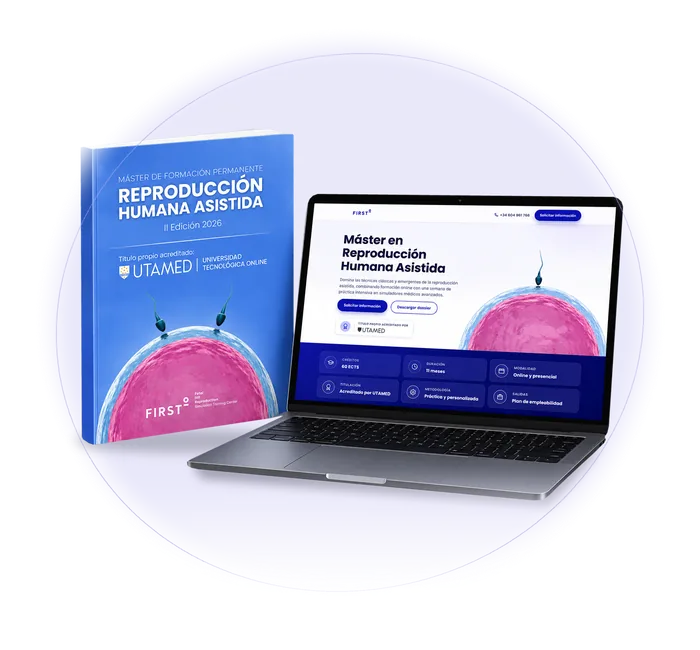
The master's online learning platform: brochure and access from a computer

Online theory, at your own pace

Our own learning platform, available in Spanish, English, French and Portuguese.
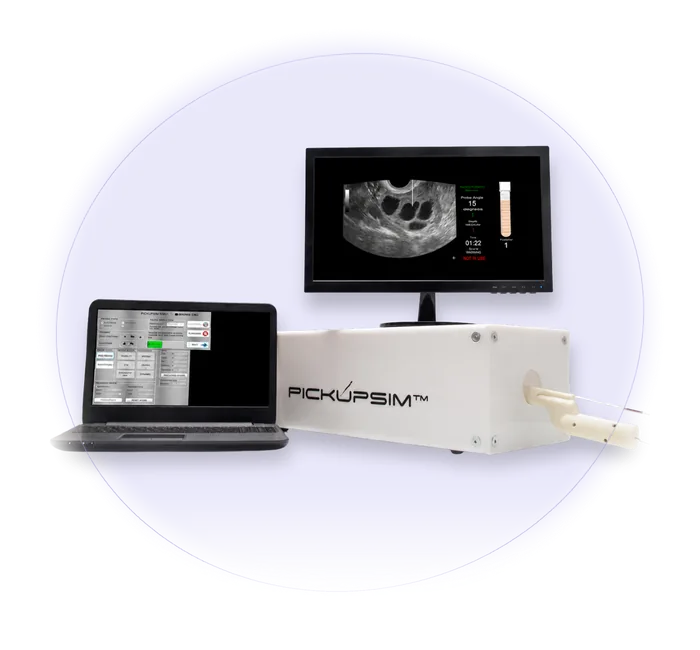
In-person week with advanced medical simulators at the FIRST Centre

In-person week

Intensive training with advanced medical simulators, coordinated individually with each student.
University-specific degree accredited by UTAMED, 60 ECTS credits

Accredited university-specific degree

Certified by UTAMED on completion, with 60 ECTS credits.

Teaching team

Taught by practising specialists

The founding team of FIRST Simulation, together with the faculty who teach each module, with active clinical experience in assisted reproduction and fetal medicine.
Academic direction
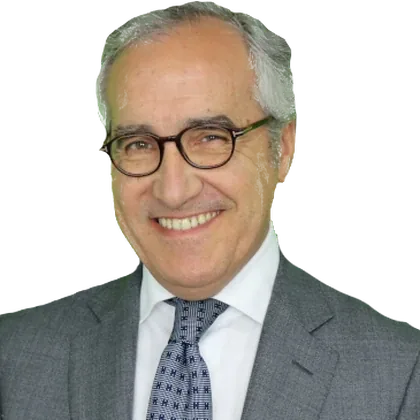
Pascual Sánchez Martín

Pascual Sánchez Martín

Co-founder and director of the master's
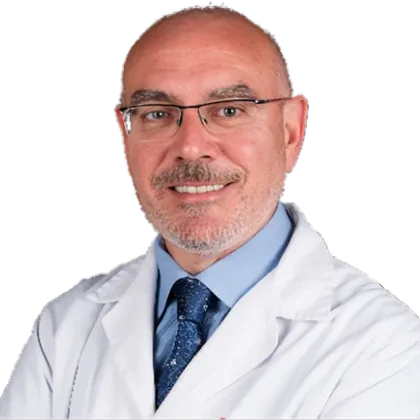
Fernando Sánchez Martín

Fernando Sánchez Martín

Co-founder of FIRST
Faculty

Juan Carlos García Lozano

Implantation failure and the uterine factor

Fabiola Santos Ridao

Infertility diagnosis and pregnancy complications

Isabel Martínez Sáez

Infertility treatments and ethics in assisted reproduction

Marta Martínez Sáez

Assisted reproduction laboratory and ethical aspects

José Luis Metello

Artificial insemination and advanced techniques

Claudia Silva Tomás

Innovation and the future of assisted reproduction
Degree

University-specific degree accredited by UTAMED

UTAMED - Atlantic Mediterranean Technological University

The Master's in Assisted Human Reproduction is accredited by the Atlantic Mediterranean Technological University (UTAMED), based in Málaga, and is taught at the FIRST Clinical and Reproductive Simulation Centre.

On completing the master's, having finished the theoretical part and the week of in-person practice, students receive the corresponding degree issued by UTAMED, with 60 ECTS credits.

Online theoretical training → In-person practical week at FIRST → Assessment → UTAMED degree · 60 ECTS
Price

Investment and terms

One-off payment
  • €200 place reservation
  • €300 on completing enrolment
  • €3,000 at the start of the master's
Total: €3,500
Three instalments

Instalment breakdown available on request.

Total: €3,650
Monthly payments

Monthly instalments available on request.

Total: €4,100

When you reserve, you will be redirected to our secure payment gateway.

Enrolment and schedule

Enrolment: open, with no deadline. Places are limited and allocated strictly in order of registration.

Delivery: flexible depending on the edition. Duration: 11 months.

Location

The in-person part, in Seville

FIRST Simulation C/ Pagés del Corro, 141 · 41010 Seville
Clinical and Reproductive Simulation Centre, in the Triana district.
Seville Airport 10 km away
Santa Justa Station (AVE high-speed trains)
The FIRST centre will coordinate the practical week with you according to your availability
Testimonials

What professionals trained at FIRST say

”
Dr. Francisco Bujalance
★★★★★

He has refined technical details that are already showing in the results with his patients. He recommends FIRST to anyone seeking excellence in reproductive medicine.

”
Olga Gutiérrez
★★★★★

The hands-on training and advanced technology have allowed her to refine her skills, increasing her professional confidence as a gynaecologist.

”
Corina Cardaniuc
★★★★★

The practical approach has allowed her to refine her skills in diagnosing and managing high-risk cases, which is key to improving patient care.

Frequently asked questions

We answer your questions

?

How much does the master's cost?

+

From €3,500 as a one-off payment. You can also split it into 3 instalments (€3,650) or pay month by month (€4,100). You can reserve your place directly on the website or request information before you decide.

?

Until when can I enrol?

+

Enrolment is open, with no fixed deadline. Places are limited and allocated strictly in order of registration, so it is best not to wait too long.

?

Is it an online or in-person master's?

+

It is a hybrid model: the theoretical part is taken online on FIRST's own learning platform, and is complemented by a week of in-person practice with simulators at the FIRST Centre in Seville.

?

How is the in-person week organised?

+

It is individual: it is not organised in groups or on a fixed date for everyone. The FIRST centre will contact you to agree on the week that best fits your availability, usually around the middle of the programme.

?

What are the entry requirements?

+

A university degree in Health Sciences (Medicine, Biology, Pharmacy, Veterinary Medicine, etc.).

?

In which languages is it taught?

+

The theoretical part is available in Spanish, English, French and Portuguese.

?

What degree do I obtain?

+

A Lifelong Learning Master's degree accredited by UTAMED (Atlantic Mediterranean Technological University), with 60 ECTS credits.

Specialise in assisted human reproduction with scientific backing and real practice.

Online training backed by UTAMED, plus a week of total immersion with simulators at the FIRST Centre in Seville. Directed by Dr. Pascual Sánchez Martín.

From €3,500 · one-off payment, 3 instalments or monthly

Enrolment open · Limited places, allocated strictly in order of registration

Contact

Request more information

Leave us your details and we will contact you with all the information about the master's, including the price and enrolment terms.

FIRST Simulation

Clinical and Reproductive Simulation Centre, Seville.

C/ Pagés del Corro, 141 · 41010 Seville
Professional status*
Call Request information

We use our own and third-party cookies to improve your experience and analyse browsing. You can find more information in our cookie policy.